
Why Sodium Batteries Are the Safer Choice for Enclosed Spaces in South Africa
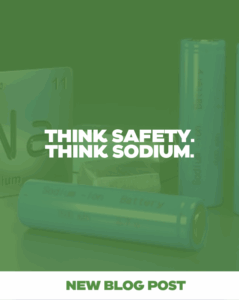
As South Africa continues to navigate energy insecurity and a growing demand for safe backup power, the spotlight is shifting from lithium-ion to sodium-based battery technology.
In enclosed environments — from data centres and mining operations to residential complexes and telecom stations — safety, reliability, and sustainability are critical. Sodium batteries are quickly proving to be the safer, more sustainable choice for the country’s evolving energy landscape.
1. Reduced Fire Risk for Tight or Enclosed Areas
South Africa’s rising adoption of renewable energy storage brings safety concerns, especially in enclosed or high-density environments where ventilation is limited.
Unlike lithium-ion cells that use flammable electrolytes, sodium batteries are non-flammable and much less prone to thermal runaway — the chain reaction that can lead to fires or explosions.
For applications like underground mining operations, telecom shelters, or urban apartment installations, this makes sodium a far safer option.
2. Better Thermal Stability in the African Climate
South Africa’s temperature extremes — from the Highveld’s heat to coastal humidity — put heavy strain on lithium systems that require cooling to stay stable.
Sodium batteries, however, offer superior thermal stability, maintaining performance across a wide temperature range without overheating. This makes them ideal for remote installations, battery containers, or rooftop enclosures that operate under tough climate conditions.
3. Sustainable and Locally Relevant Materials
Sodium — derived from common salt — is abundant, non-toxic, and cost-effective, unlike imported lithium or cobalt.
For South Africa, this means reduced dependence on expensive, mined materials and a path toward local battery manufacturing using readily available resources.
Beyond safety, sodium technology aligns with the country’s green economy goals, promoting cleaner supply chains and supporting job creation in energy innovation.
4. Lower Safety Management Costs
Because sodium batteries operate safely without complex cooling or fire suppression systems, they can cut infrastructure and maintenance costs.
This is particularly valuable for municipal installations, backup systems in buildings, or rural electrification projects where space, ventilation, and access are limited.
5. Where Sodium Batteries Make the Biggest Difference
In the South African context, sodium batteries are especially suited for:
-
Mining operations (underground and enclosed control rooms)
-
Telecom towers and remote repeater sites
-
Residential and commercial backup systems
-
Data centres and server facilities
-
Microgrids and renewable energy storage
Each of these environments benefits from the enhanced safety, stability, and sustainability that sodium battery systems offer.
With South Africa’s growing need for safe, sustainable, and reliable power storage, sodium batteries offer a clear path forward.
Their non-flammable chemistry, local material availability, and low maintenance needs make them ideal for enclosed spaces and challenging conditions alike.
As the energy sector evolves beyond lithium, sodium batteries stand ready to power South Africa’s safer, more resilient future.

